Maxima
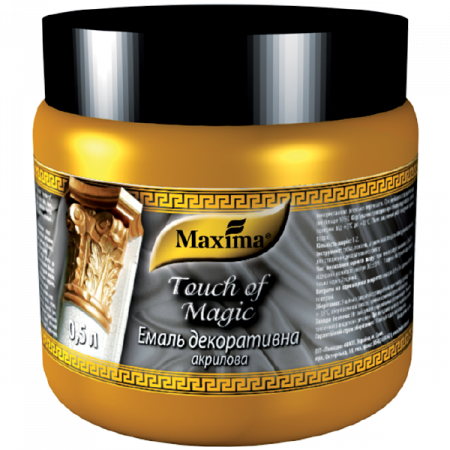
Acrylic decorative enamel «Touch of Magic»
Specification
The enamel provides permanent color and gloss. It obtains high resistance to mechanical load, abrasion and washing with detergents. It dries quickly and has no strong odor. It has advanced resistance to weather effects, UV-rays and moisture. It has perfect adhesion with coated surface.
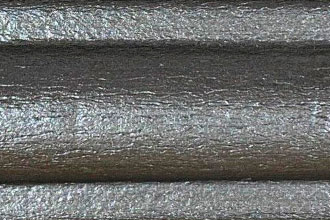
Decorative enamel with the "pearl" effect is an idea for decorative finishing of walls, ceilings, window frames, doors, furniture, forge, elements of decoration (molding, foot stalls etc.), decorative coating of different surfaces.
Different colors of the product are allowed to mix.
Sphere of application
It is intended for coating of new and previously coated wooden, undercoated metal, mineral (plaster, concrete, mortar, brick, gypsum), glass, polystyrene foam and textured wallpapers.
Tinting
It is tinted manually with pigment concentrate Farbex Color, other water-based pastes, or in a tinting machine. When you use other tinting products or tinting machines, consider their suitability for exterior works and make a test tinting and application.
Tinting of decorative enamel Touch of Magic can change the decorative pearlescent effect. Thus, we recommend making a test mixing of a small volume of the product to be sure that the decorative appearance of the coating is acceptable.
To avoid differences in color shades, when coating the surface with the finish layer, use the product of the same batch. Use the product of the same batch for the joint surfaces. In case you use the product of several batches, mix them.
Колеруется ручным способом с использованием пигментного концентрата Farbex Color, других водных паст или машинным способом. При колеровании посторонними материалами, студиями необходимо учитывать их пригодность для наружных работ и производить пробную колорировку и покраску.
We do not recommend dilute color enamel for the final coat.
After tinting, insignificant deviations in the technical data of the product are allowed.
A hint: when you choose a color, consider the lighting of the premises and the disposal of the surfaces (exterior surfaces) according to the movement of the sun and their texture. Warm and cold interior lighting, and the surfaces (exterior surfaces) in shades, inclined surface, elements with different roughness, day time duration will provoke different perceptions of the same color.
Content
Technical data
| Consumption standard of 1 layer | 110-160 g/m2, depending on the way of application and type of surfaces. |
| Thinner | Water . Apply with a brush, a sponge and other special tools, which are necessary to create decorative effect. |
| Application | Apply with a brush, a sponge and other special tools, which are necessary to create decorative effect. |
| Drying period (23 °С, 50% RH) | 1 hour. Drying period increases if the temperature is getting down and relative air humidity is increasing. |
| Solids content (DSTU ISO 3251) |
37±2 % (red gold, copper, bronze, antique bronze, graphite) 39±2 % (gold, pearl, silver) |
| Density (DSTU ISO 2811-1) | About 1,1-1,14 g/сm3, depending on the color. |
| Hardness (DSTU ISO 1522) | ≈ 50 sec. |
| Resistance to washing | Resistant to intensive repeated washing (1st class acc. to SSU U EN 13300) |
| Non-volatile matter by volume (DSTU ISO 3233) |
30±2 %, depending on the color. |
| Warranty period | 24 months from the date of manufacturing (at the temperature from +5 °С till +35 °С) |
| Packaging | 0,1 kg, 0,5 kg |
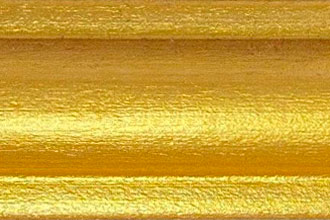
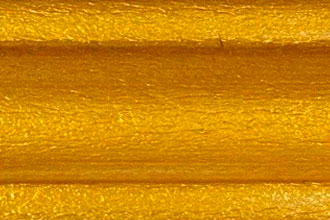
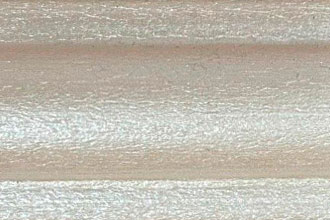
Color
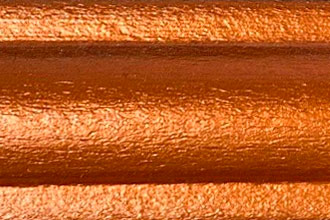
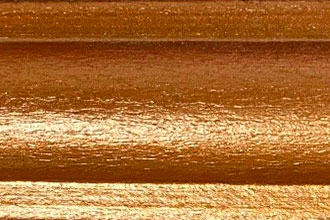
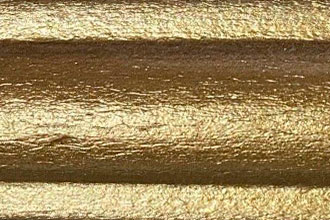
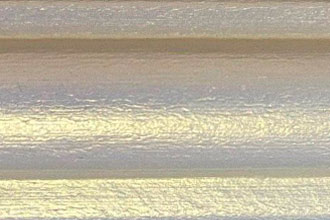
Application instruction
The condition for receiving a desired result is following directions for using the paint product and preparing the surface.
1. Surface preparation
The surface must be dry, thoroughly cleaned until the hard base surface is free from dust, dirt, mould, corrosion, scale, oily, grease, and other contaminations and pealed paint coatings. Use these methods of cleaning: mechanical (a scratcher or wire brush), thermal (a heat gun or infrared radiation), and chemical (paint-removal solutions). Avoid using a cleaning option that can damage the base surface.
Metal surfaces shall be treated manually with mechanical instruments (min stage St2) or abrasive jet sander (min stage Sa2½) according to DSTU ISO 8501-1. Degrease it with Universal diluent TM Maxima.
Wooden surfaces must be polished manually or with a polisher. Remove abrasive dust from the surface. Remove resin deposits from the surface of the wood mechanically (with a spatula or a scratcher). If wood is infected by blue stain, mould, or fungi, remove infected areas: first mechanically, then treat the wood with antiseptic for wooden surfaces TM Farbex. Correct new uneven areas with Putty TM Farbex. Polish the corrected surface and dust it off. The humidity of the wood must be less than 20%.
Mineral surfaces must be hard, without fragile parts and edges. Plastered or adhesive elements must be completely dry and ready for coating with water-based products. Thoroughly remove all contamination:
- efflorescence must be removed mechanically;
- mould or fungi must be removed mechanically, then treat these surfaces with an antiseptic for mineral surfaces TM Farbex.
Defected surfaces must be corrected with Plaster TM Farbex. When the surface becomes dry, polish it and dust off. It is necessary for better adhesion of a paint product.
Before you use subordinate products (a primer, an adhesive, an antiseptic, etc.), we recommend checking the compatibility of the products on a small area of the surface, following the technical directions or specialists’ advice.
We recommend polishing the glass manually (to create a rough surface for better adhesion of the product). Remove the dust after polishing. Then degrease the surface with Universal thinner TM Maxima.
2. Priming
For maximal exploitation resistance of the coating and the best possible decorative effect, use the following for priming:
Metal surfaces - quick-drying anticorrosion primer TM Maxima;
Wooden mesh surfaces - acrylic wood-protective primer TM Maxima. ATTENTION! The primer raises the wood fibres, so you'd better polish the surface before applying the enamel.
Mineral surfaces - primer-concentrate 1^10 Aqua Primer TM Maxima. Depending on the surface type, dilute the primer according to the directions.
Hard types of OSB, fiber boards, wood chip boards, wallpaper, foam polystyrene surfaces, old hard paint coatings need no preliminary priming before coating.
You must also follow recommendations for priming of constructive mortars or products. If necessary, call the specialists of POLYSAN.
3. Applying of finishing layer
Before applying the enamel, make sure that the surface is dry enough after preparation.
The enamel is ready to use. Stir the enamel thoroughly before use. Filter it and dilute with water if necessary. Abnormal dilution spoils the quality of the coating!
Apply the enamel in 1-2 coats. Apply a subsequent coat when the previous one is fully dry, but not before 2 hours. Very porous, rough, or highly contrasted surfaces may increase the quantity of coats and consumption of the enamel. Precise consumption can be determined by a test application on a small area.
Remember! Mineral and wooden surfaces are porous materials, so the consumption and the quantity of coats can increase.
We recommend continuously applying in one direction with the same consumption. Carry out the application “from edge to edge (from corner to corner)” or within the limits of the decorative element without breaks. When you carry out an application on a large area and/or during a long period, we recommend stirring the enamel from time to time. We do not recommend keeping the container with the enamel open for a long period.
Carry out the application at the temperature of the air and the surface from + 5 ºС until +35 ºС and relative air humidity less than 80 % (the temperature of the surface must be 3 degrees above a dew point. Do not apply the paint under direct sunlight, strong wind, frost and precipitation. After application, the coating shall not be affected by precipitation or subzero temperature during 24 hours.
The coating achieves its full hardness and ability to resist mechanical loading after 28 days.
We draw your attention to the fact that decorative enamel Touch of Magic has no good coverage, so the surface must be of one color. Otherwise, an additional coat can be demanded. Paint the surface in white or some other pastel color to lessen the consumption of the enamel. The paint and the enamel for the finish coating must be of one batch to avoid differences in color. In case the product is of different batches, they must be mixed.
Apply the decorative enamel with a brush, a roller, a sponge, an aerograph, or a mini spraying gun. When you use instruments for the spraying application method, you should follow instruction for exploitation. The tools must be recommended for solvent-based paint products.
If you apply with a roller, we recommend using a cuvette for homogeneous wetting of the tool. Attention! For a smoother coating, we recommend using the rollers with a shorter nap.
For a quality coating, you have to achieve varnishing skills, especially if you use professional instruments.
We do not recommend the enamel for the surfaces under intensive mechanical loading!
In case of prolonged water impact (especially on a horizontal surface), the enamel can become whitish or blurred. The color will recover after full drying.
Compatibility with other coatings
Depending on the exploitation conditions, it can be used with different primers and finishing coatings. The examples are stated further. Call the specialists of POLYSAN to receive more detailed recommendations.
Previous coating – acrylic water-based or alkyd solvent-based products.
Subsequent coating – no paint product is recommended except Acrylic decorative enamel Touch of Magic to renovate the decorative appearance. If you apply acrylic water-based products, the decorative “pearlescent” effect and shimmer will be spoiled!
Compatibility of products is recommended for testing on a small area of the surface.
4. Tool cleaning
Clean tools with water after application.
References
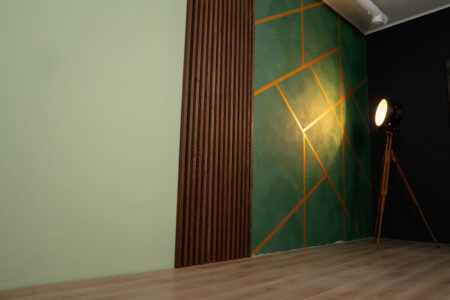
The walls of the studio are painted with Silk Touch 3 Maxima matte latex paint. …

Tips
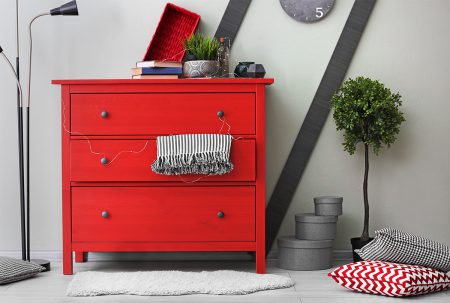
Як самостійно оновити старі меблі
Якщо вам набрид старий інтер’єр, не обов’язково робити ремонт. Достатньо оновити меблі. Не потрібно купувати нову шафу, комод, стілець чи крісло. Ми поділимося з вами декількома порадами, як перефарбувати меблі, при цьому зберегти свої кошти. Основна послідовність, якої ми рекомендуємо …
Acrylic enamels Maxima
Acrylic enamelsповністю
Flow calculator
Consumption standard of 1 layer
When calculating the area to be painted, you need to subtract the area that will not be painted. (windows, doors, etc.)
Paint consumption may vary depending on dilution and uniformity of application of the paint.